

Key Takeaways
- Routine inspections and data-driven maintenance extend tugboat longevity and minimize costs.
- Training crews and investing in quality parts are vital for reliable and safe operations.
- Sustainable practices and analytics contribute to operational efficiency and environmental compliance.
Table of Contents
- Introduction
- Regular Inspections and Preventive Maintenance
- Implementing Predictive Maintenance Technologies
- Training and Empowering Crew Members
- Utilizing Quality Parts and Services
- Embracing Sustainable Maintenance Practices
- Leveraging Data Analytics for Operational Efficiency
- Final Thoughts
Introduction
A tugboat fleet’s efficiency, reliability, and safety hinge on rigorous, well-planned maintenance. Every day, tugboats serve as the backbone of maritime operations, assisting with docking, maneuvering, and moving large ships in dynamic port environments. Companies like Bisso Ship Towing New Orleans LA demonstrate the importance of robust maintenance programs for smooth marine operations in busy ports.
Proactive fleet maintenance strategies directly translate to fewer breakdowns, reduced operational costs, and extended vessel lifespans. In a competitive and regulated shipping world, best-in-class fleet maintenance is not just about compliance—it’s about sustaining business growth, meeting environmental standards, and ensuring the crew’s safety.
Regular, preventive maintenance is key to keeping a tugboat fleet in optimal condition, while emerging technologies help operators pivot from reactive to predictive maintenance strategies. Investing in innovative tools and ongoing crew training creates significant advantages for modern maritime businesses.
Regular Inspections and Preventive Maintenance
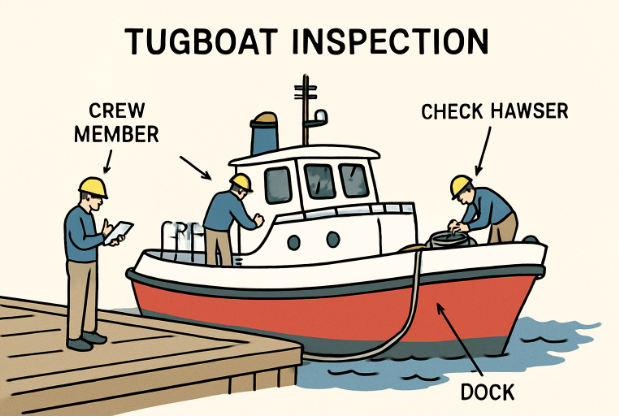
The cornerstone of effective tugboat maintenance is a disciplined, routine inspection regimen. Scheduled pre- and post-voyage checks—including hull, propulsion, navigation, and safety equipment reviews—are vital for catching early signs of trouble. Even seemingly minor issues, like a slow hydraulic leak or a corroded electrical connection, can escalate to major, expensive failures if unresolved.
Preventive maintenance goes hand in hand with inspections, requiring a systematic plan for replacing wear parts, lubricating machinery, and calibrating critical systems at manufacturer-recommended intervals. This approach maximizes vessel uptime, ensures regulatory compliance, and maintains high standards for crew safety.
Implementing Predictive Maintenance Technologies
Advanced tugboat operators now leverage predictive maintenance technologies that use real-time data and analytics to foresee component wear and detect inefficiencies. With smart sensors and remote diagnostic platforms, maintenance schedules become data-driven, minimizing the risk of unexpected engine failures or operational stoppages. For example, remote fleet monitoring can instantly notify operators of rising oil temperatures or vibration anomalies, so interventions are timely and precise. Marine Log says these innovations significantly reduce downtime and repair costs across large towing fleets.
Training and Empowering Crew Members
Maintenance is only as strong as the team supporting it. Ongoing crew training in inspection techniques, equipment diagnostics, and basic repairs directly improves tugboat reliability. Training programs should include hands-on maintenance drills and theoretical updates—ensuring the workforce is always equipped with the latest technical knowledge and safety protocols.
Empowered crews can spot and address small anomalies before they escalate, minimizing the need for emergency repairs and promoting a culture of proactive asset management on board.
Utilizing Quality Parts and Services
Premature equipment failure is often traced to subpar replacement parts or inadequate servicing. Sourcing all components—engines, bearings, electrical connectors—from reputable suppliers greatly enhances vessel uptime. Likewise, partnering with service providers experienced in tugboat systems means faster diagnostics, more reliable repairs, and the confidence that vessels meet or exceed regulatory standards with every sailing.
Quality parts and services may involve higher upfront costs, but the unplanned downtime and asset life reduction deliver significant long-term returns for fleet operators.
Embracing Sustainable Maintenance Practices
Modern tugboat operators face rising pressure to balance operational demands with environmental responsibility. Sustainable maintenance includes using biodegradable lubricants, responsibly sourcing spare parts, and retrofitting vessels to support alternative fuels or hybrid systems. These steps comply with tightening emissions regulations and align with the broader maritime industry’s commitment to reducing environmental impact.
Implementing eco-friendly solutions ensures companies maintain their reputations with regulators and customers while offering cost savings over the vessel’s operating life through improved efficiency and lower waste.
Leveraging Data Analytics for Operational Efficiency
Integrating advanced data analytics into maintenance workflows enables fleet operators to track real-time performance metrics such as fuel consumption, voyage data, and equipment health. Platforms that centralize these data streams empower managers to optimize routes, adjust speed, and schedule maintenance more accurately. The resulting insights drive measurable improvements in operational efficiency and cost management.
Real-time analytics and centralized fleet management solutions also support faster decision-making, performance benchmarking, and the ability to identify and replicate successful maintenance practices across all vessels in the fleet.
Final Thoughts
Fleet maintenance is more than a requirement—it is a strategic advantage in the towing industry. Regular inspections, predictive maintenance, skilled crews, superior parts, sustainable processes, and data-driven decisions are the pillars of successful tugboat operation. Companies willing to invest in these areas will see improved safety, efficiency, and profitability while preparing for a more sustainable maritime future.
