

Hotels are no longer just a place for staying. They organize meetings, weddings, conferences, and social events. Visitors want flawless presentations, strong sound, and advanced technology. The failure of systems negatively affects the whole experience. Most hotel owners have a difficult time understanding what equipment they actually require, as well as how to run it efficiently.
A good audio-visual arrangement ensures employees conduct the event without hitches, which increases customer satisfaction. Understanding the functionality of these systems and the things that are most important will help a hotel to avoid technical issues, minimize the stress of the staff, and provide a professional experience in any case.
What Is a Hotel Audio Visual System
A hotel audio visual system is a combination of sound, video, lighting, and control technology that is applied in event and day-to-day operations. It consists of speakers, microphones, projectors, LED screens, video-conferencing devices, and a control panel.
These systems facilitate presentations, entertainment, and communication in the hotel spaces. A properly designed system would make each of them work well without any misunderstanding or time wastage.
Components of Hotel AV
One aspect of any event that is most critical, other than visuals, is the sound quality. Visitors should be able to hear the speakers throughout the room. Larger venues might need several zones of speakers to equalize the sound level.
- Projectors and Screens: Fixed or electric screens with ceiling-mounted projectors for meeting rooms.
- LED Video Walls: These are high-resolution video walls in ballrooms and screens for lobbies.
- Smart TVs: These are in-room TVs for entertainment.
- Interactive Display: Touch-enabled screens for wayfinding and meeting rooms.
- Cameras: These are for video conferencing.
- Speakers: These can be ceiling, wall-mounted, and portable speakers for events.
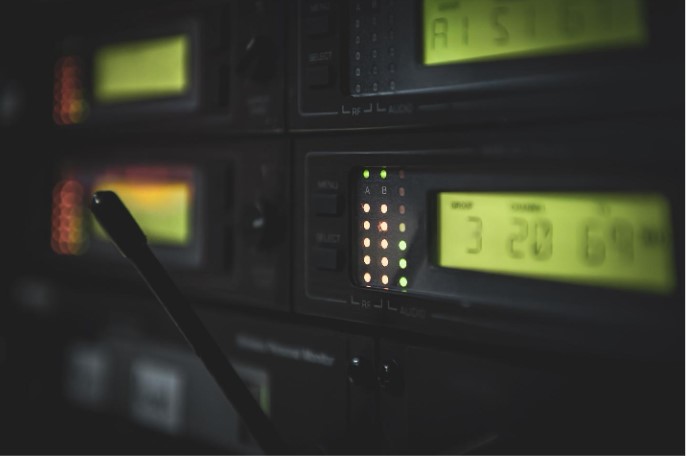
- Microphones: Wireless handheld, lapel, and podium microphones for conferences.
- Control Systems: Touch panels or tablets that allow staff to manage AV with one interface.
- Connectivity Plates: HDMI, USB, and LAN inputs in meeting rooms.
- Lighting Control: Dimmable lighting integrated with AV systems for atmosphere.
Control and Automation
It is a stressful task to control numerous devices manually. In newer systems, the use of centralized control panels has been used in order to simplify. A single interface allows employees to modify the sound, lighting, and displays on the spot.
Presets are also available in automation to provide meetings, banquets, or presentations. Basic control mechanisms eliminate mistakes and wastage of time during peak periods.
Internet Connectivity
Remote participants are added to many events nowadays. Video calls and live streaming require a strong connection. The audio-visual systems within the hotel should accommodate effective internet, video conferencing, and connectivity of several devices.
Flexibility is enhanced by wireless sharing and streaming tools. Connections to remain stable, eliminate bridges, and ensure events proceed without hitches.
Maintenance and Long- term Performance
Technology requires frequent maintenance to remain reliable. Unexpected failures are avoided by routine inspections and updates on the software. Hotels ought to do maintenance checks and offer the staff training on daily usage.
Quick technical assistance also assists in mitigating problems prior to their occurrence for guests. Regular maintenance helps ensure the investment in the equipment and guarantees the reliability of the performance in every event.
