

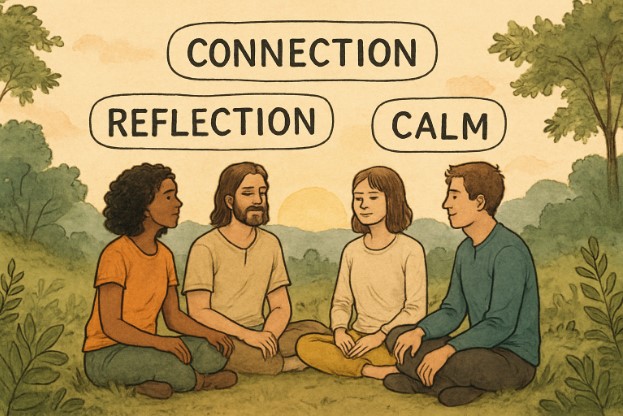
Key Takeaways
- Retreats provide a structured environment for self-reflection and personal development.
- Participating in group activities during retreats can enhance social connections and emotional well-being.
- Choosing the right retreat involves considering personal goals, interests, and the retreat’s focus.
Life’s daily rush often leaves little room for genuine self-reflection or authentic connection with others. By stepping away from routine and immersing oneself in a focused environment, retreats help pave the way for deeper growth and lasting relationships. Whether you’re looking to reduce stress, foster creativity, or reconnect with your true self, retreat experiences are uniquely crafted to support such exploration. Many individuals find that spiritual retreats offer the ideal balance of structured guidance and personal freedom, making them particularly effective for fostering meaningful transformation and connection.
Beyond self-improvement, retreats offer the invaluable gift of community. In thoughtfully curated group settings, participants can build strong support networks as they share insights, challenges, and breakthroughs with one another. These connections can spark profound changes both during and after the retreat, reinforcing a sense of belonging and shared purpose.
Benefits of Personal Growth Retreats
Attending a personal growth retreat offers significant benefits. First, these immersive experiences provide dedicated time for deep self-reflection, away from the habitual distractions of everyday life. Participants often gain clarity on their personal values, beliefs, and goals, leading to more authentic decision-making and lifestyle adjustments.
Another advantage of retreats is the development of skills through facilitated workshops. Whether you’re learning mindfulness techniques, communication strategies, or ways to build emotional resilience, these retreats offer hands-on learning that participants can apply immediately. The supportive retreat environment can dramatically reduce stress, promote inner calm, and enhance mental clarity—benefits that often persist long after the retreat ends (Healthline).
Types of Retreats
Personal growth retreats come in many forms, each tailored to a specific focus:
- Wellness Retreats: Combines activities such as yoga, meditation, and nutritional workshops to support overall well-being.
- Spiritual Retreats: Dedicated to enhancing spiritual practices, self-awareness, and connection to deeper meaning.
- Creative Retreats: Encourage participants to explore and express creativity via writing, painting, music, and more.
- Relationship Retreats: Aimed at couples or individuals who want to strengthen personal or romantic relationships through guided exercises and open communication.
Choosing the Right Retreat
Selecting the retreat that aligns with your intentions involves thoughtful consideration. Consider what you hope to achieve—personal healing, improved wellness, spiritual growth, or relational harmony. Ensure the retreat’s core focus matches your own objectives. Other important factors include location, duration, and the retreat setting, whether you prefer a remote sanctuary, a beachside haven, or a community-driven urban retreat.
Be sure to research the facilitators and their credentials. Experienced leaders can make a significant difference in your overall experience, providing both effective guidance and a safe space for exploration and growth. Reading testimonials or reviews can offer valuable insight into what to expect and help you set realistic expectations before committing.
Preparing for Your Retreat
Preparation is key to reaping the full rewards of a retreat. Begin by setting clear intentions—what do you want to learn, achieve, or release? Communicating these intentions—either privately or with retreat staff—can help tailor the experience to your needs.
- Set Intentions: Write down your goals and what you hope to gain or change.
- Manage Expectations: Approach the experience with an open mind and patience, recognizing that growth can be a gradual process.
- Pack Appropriately: Bring comfortable clothing, personal items, and any materials requested by the retreat facilitators, such as journals or art supplies.
Making the Most of Your Retreat Experience
Once you’ve arrived, immerse yourself wholly in every aspect of the retreat. Engage fully in exercises, discussions, and reflection periods. Vulnerability is a vital component; sharing honestly with peers can foster deeper connections and collective growth.
Practice mindfulness and remain present, observing your thoughts and feelings as they arise. This attentive presence can help solidify your experiences and increase self-awareness, making the retreat lessons more profound and memorable.
Post-Retreat Integration
What happens after a retreat is just as important as the retreat itself. Reflect on your insights and consider actionable steps for integrating new habits or perspectives into your daily routine.
- Reflect on Learnings: Take time to journal or discuss your takeaways with others.
- Implement Changes: Start small by adding new practices or mindset shifts into your everyday life.
- Maintain Connections: Stay in touch with fellow participants, utilizing group chats or follow-up meetings to keep the supportive community alive.
Final Thoughts
Retreats for personal growth and connection present profound opportunities for lasting transformation, both inwardly and within your relationships. By carefully selecting the right retreat and embracing the process fully, you’ll create space for genuine change—nurturing your well-being and fostering community along the way.
