

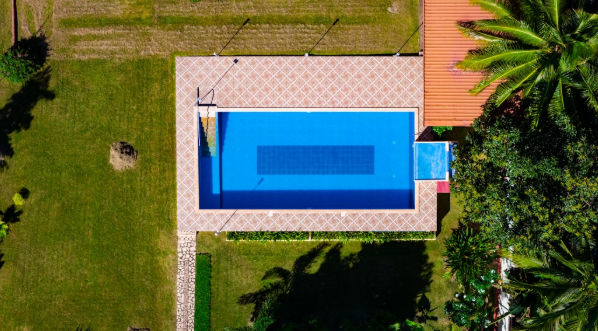
When it comes to enhancing your outdoor living space and adding luxury to your home, few investments compare to a swimming pool. However, before diving into the project, proper planning and decision-making are essential.
A swimming pool installation involves much more than digging a hole and filling it with water—it requires thoughtful consideration of design, budget, location, and maintenance. Here are the top things you should keep in mind before starting a swimming pool installation.
1. Determine Your Purpose and Pool Type
Before beginning your swimming pool installation, ask yourself why you want a pool. Is it for family recreation, fitness, relaxation, or entertainment? Your purpose will influence the size, depth, and design of the pool. For example, if you plan to use the pool for exercise, a lap pool with a longer, narrower shape may be best.
On the other hand, if you want a place for family fun, a shallower pool with seating areas or water features might be more suitable.
2. Set a Realistic Budget
Cost is one of the most crucial factors in any swimming pool installation. Beyond the initial construction expenses, you need to consider long-term maintenance, water treatments, and energy costs. High-end features such as lighting, waterfalls, or heating systems can significantly raise the price.
Be sure to discuss your budget with your contractor upfront so they can help you design a pool that aligns with your financial plan.
3. Choose the Right Location
Selecting the perfect spot for your pool is key to maximizing both functionality and aesthetics. The pool should receive enough sunlight to keep the water warm and should be placed away from large trees that can drop leaves and debris into the water. You should also consider privacy—placing your pool in a secluded area can create a relaxing retreat.
Additionally, make sure your chosen site complies with local zoning laws and building codes, as these regulations can affect the pool’s size, distance from the property line, and fencing requirements.
4. Consider Pool Materials and Design
The material you choose for your pool will impact its appearance, maintenance needs, and durability. Common materials include concrete, fiberglass, and vinyl. Concrete pools offer customization and longevity but require regular maintenance.
Fiberglass pools are smooth and easy to clean, while vinyl pools are budget-friendly but may need liner replacement after several years. Along with materials, think about design elements like pool shape, color, decking, and water features that can enhance your outdoor space and suit your lifestyle.
5. Plan for Maintenance and Safety
Owning a pool is a long-term responsibility. Regular cleaning, water testing, and chemical balancing are essential to keep your pool in good condition. You might also need equipment like a filtration system, automatic pool cleaner, or pool cover.
Safety is equally important—installing fencing, pool alarms, or non-slip decking can help prevent accidents. Before finalizing your swimming pool installation, ensure you understand all maintenance requirements and have a plan for regular upkeep.
Final Thoughts
A swimming pool installation is a major home improvement project that can bring years of enjoyment and increase your property’s value. However, success depends on careful planning, budgeting, and choosing the right professionals for the job.
By considering these factors before starting, you can ensure a smooth installation process and enjoy a beautiful, safe, and functional pool that fits your lifestyle perfectly.
